
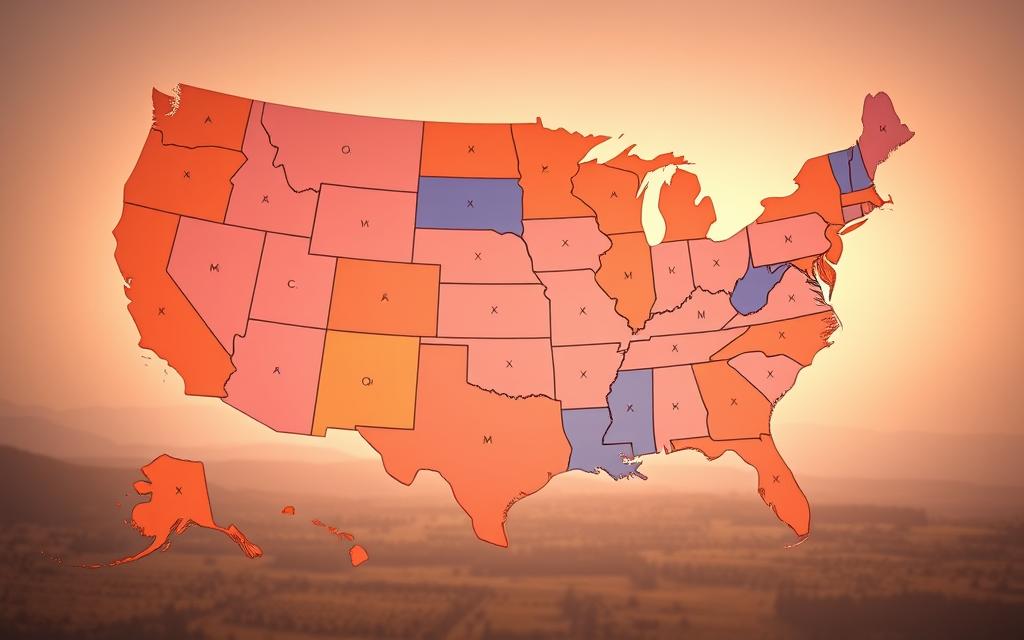
What do Albert Einstein, Charles Darwin, and Franklin D. Roosevelt have in common? Each married a close relative—a practice once far more common than many realize. Between 1650 and 1850, research suggests the average married couple in the U.S. were fourth cousins. Today, however, unions between cousins spark debate, shaped by shifting laws and societal views.
While some states fully permit these marriages, others ban them outright or impose strict conditions. For example, former President Roosevelt wed his fifth cousin, Eleanor, in 1905—a union legal in New York then and now. Yet over half of U.S. states currently restrict such marriages, reflecting evolving perspectives on family, genetics, and cultural norms.
This guide unpacks the complex patchwork of regulations across America. You’ll learn how historical traditions clash with modern legal frameworks, why laws vary so widely, and what genetic studies reveal about risks. Whether driven by curiosity or personal circumstances, understanding these rules is critical for anyone navigating familial relationships.
Table of Contents
Key Takeaways
- Laws on cousin unions differ significantly across U.S. states, with some permitting marriage and others imposing bans.
- Historical figures like Franklin D. Roosevelt highlight the once-widespread acceptance of cousin marriages.
- Over 25 states currently allow first-cousin marriages without restrictions.
- Genetic counseling is often recommended due to potential health risks for offspring.
- Cultural and religious beliefs continue to shape public opinion on these unions.
- Legal frameworks frequently consider both social traditions and scientific research.
Introduction
Twenty-eight states currently permit unions between first cousins, while others enforce strict prohibitions. This legal mosaic reflects centuries of evolving attitudes toward familial bonds. Before 1850, agricultural communities often encouraged close-kin marriages to preserve land and wealth within families.
Overview of Cousin Marriage in the US
Historical records show that 0.2% of modern marriages involve relatives closer than second cousins. Many early American settlers viewed these unions as practical solutions for isolated communities. Today, genetic research and shifting social norms influence legislative decisions.
Purpose and Structure of the Guide
This resource clarifies complex regulations through three key lenses:
| Focus Area | Key Details | State Examples |
|---|---|---|
| Legal Status | Bans, permissions, and conditions | Texas (allowed), Arizona (banned) |
| Health Factors | Genetic risk thresholds | Maine requires counseling |
| Cultural Context | Religious and social acceptance | Utah’s Mormon influences |
Readers will gain actionable insights into:
- State-specific regulations updated for 2024
- Medical recommendations for couples
- Strategies for navigating social perceptions
The guide progresses from historical patterns to current legal challenges, concluding with practical advice for affected families. Each section builds on demographic data and anthropological studies to provide comprehensive understanding.
Historical Perspectives on Cousin Marriage
In medieval Europe, marrying a cousin wasn’t taboo—it was a calculated move to strengthen political and economic alliances. Royal houses like the Habsburgs frequently intermarried to consolidate territories, while merchant families used these unions to protect business interests.
Early Traditions and Cultural Norms
Before genetic science emerged, many societies encouraged marriages between close relatives. Queen Victoria’s 1840 union with Prince Albert—her first cousin—exemplified aristocratic strategies to maintain family wealth. Agricultural communities similarly relied on consanguineous marriages to keep land within kinship networks.
Historical records reveal:
| Era | Practice | Legal Approach |
|---|---|---|
| 9th Century | Church allowed cousin unions | No restrictions |
| 19th Century | Victoria-Albert marriage | Socially encouraged |
| Modern Day | Genetic counseling required | 25 states restrict |
Evolving Legal Attitudes Over Time
The Medieval Church initially permitted cousin marriages, but by the 1500s, restrictions emerged. Protestant reforms later relaxed these laws, only to see renewed limitations during the 1800s as scientists studied heredity. By 1880, Kansas became the first U.S. state to ban unions between first cousins outright.
Three factors drove legislative changes:
- Rising awareness of genetic risks to children
- Urbanization reducing reliance on kinship networks
- New social norms about “proper” family relations
Cultural and Anthropological Insights
Human societies have crafted diverse marriage rules to balance kinship ties and social stability. Anthropologist Claude Lévi-Strauss noted that all cultures negotiate between endogamy (marrying within groups) and exogamy (seeking partners outside them). These frameworks shape how communities define acceptable relations.
Kinship, Consanguinity, and Family Structures
Consanguinity—blood connections—often determines marital eligibility. In Qatar, 54% of unions involve relatives, preserving wealth and cultural identity. Contrastingly, the Yanomami tribe in Brazil forbids unions between even distant cousins, enforcing strict exogamy.
Three core concepts guide these practices:
- Lineage preservation: Arab cultures often prioritize paternal cousin marriages
- Resource consolidation: South Asian families use unions to merge land holdings
- Social cohesion: Icelandic clans historically avoided close-kin marriages to expand alliances
Comparative Practices Across Societies
Globally, cousin marriages reveal striking contrasts. Middle Eastern nations like Saudi Arabia view these unions as socially ideal, while China banned them in 1981. Anthropologist Robin Fox documented how 10% of global marriages occur between relatives.
| Region | Marriage Practice | Key Reason |
|---|---|---|
| Middle East | Preferred paternal cousin unions | Asset retention |
| South Asia | Matrilineal cousin alliances | Caste preservation |
| Indigenous Australia | Strict avoidance rules | Kinship taboos |
| Western Societies | Variable legality | Genetic concerns |
Such patterns highlight how family structures adapt to environmental pressures and belief systems. While risks exist, many communities value the social benefits of close-kin bonds.
Laws Governing Cousin Marriage in the United States
America’s legal framework for consanguineous unions operates through a patchwork of state-level statutes rather than federal mandates. This decentralized approach creates striking regional contrasts—while some jurisdictions permit such marriages freely, others impose criminal penalties.

Federal vs. State Provisions
No federal law addresses unions between cousins, leaving all regulatory power to states. Twenty-four states fully permit first-cousin marriages, including New York and New Jersey. Six states allow them with conditions—Maine mandates genetic counseling, while Arizona permits unions only if both parties are infertile.
Southern states like South Carolina take a hardline stance, voiding such marriages entirely. Cross-border registrations create legal gray areas—couples from restrictive regions often wed in neighboring jurisdictions like New Mexico, where unions remain valid.
Key Legislative Milestones
Three pivotal moments reshaped U.S. policies:
- 1880: Kansas pioneers the first statewide ban
- 1985: Texas removes criminal penalties but prohibits issuing licenses
- 2021: North Carolina closes a loophole that previously recognized out-of-state unions
New York’s consistent legal stance since 1905 contrasts with shifting policies elsewhere. Recent debates focus on closing jurisdictional gaps, as 17% of prohibited marriages involve couples relocating to compliant states.
Understanding Is It Legal to Marry Your Cousin in the US
Navigating the legal landscape for familial unions reveals stark contrasts across American jurisdictions. Regulations shift dramatically at state borders, creating a complex web for couples to untangle.
Regional Legal Frameworks
Twenty-four states permit unions between first cousins without restrictions. Seven require medical evaluations, while nineteen enforce outright bans. These rules directly impact couples’ ability to:
- Obtain marriage licenses
- Access spousal benefits
- Secure parental rights
Maine mandates genetic counseling sessions before issuing licenses. Kentucky voids such marriages entirely, even if performed legally elsewhere. Arizona allows unions only when both partners prove infertility through medical documentation.
| State | Legal Status | Key Requirement |
|---|---|---|
| California | Permitted | No restrictions |
| Texas | Prohibited | Criminal penalties apply |
| Utah | Conditional | Both partners must be 65+ |
Genetic counseling requirements aim to educate couples about potential health risks. Many states adopted these measures after studies showed increased recessive disorder risks in consanguineous unions. Couples often relocate to compliant jurisdictions, though some states refuse recognition.
Genetic Counseling and Health Considerations
Medical professionals emphasize informed decision-making for couples considering unions between close relatives. Research from Murdoch University reveals children born to first cousins face a 4-7% higher chance of recessive disorders compared to the general population’s 3% baseline risk. This marginal increase often surprises many, yet underscores the value of expert guidance.
Assessing Genetic Risks
Shared ancestry increases the likelihood of both partners carrying identical recessive genes. For example, siblings share 50% of their DNA, while first cousins share 12.5%. Advanced maternal age and preexisting family health conditions further influence outcomes. A 2022 study found 65+ parents in consanguineous relationships face doubled risks for chromosomal abnormalities.
The Role of Genetic Counseling
Specialized sessions help couples understand potential outcomes through:
- DNA testing for common recessive conditions
- Personalized risk assessments using family medical histories
- Explanations of prenatal screening options
States like Maine require these consultations before issuing licenses. Counselors also address misconceptions—many overestimate risks while underestimating preventive strategies. Preconception carrier screenings reduce disorder probabilities by 72% when both partners test negative for matching mutations.
| Risk Factor | General Population | First Cousin Unions |
|---|---|---|
| Recessive Disorders | 3% | 4-7% |
| Chromosomal Issues | 0.5% | 1.1% |
| Multiple Birth Defects | 0.2% | 0.4% |
Impact of Religion and Cultural Beliefs
Religious texts have long shaped societal norms around familial unions. From Quranic guidelines to Protestant reforms, faith traditions directly influence marriage laws governing cousins. These doctrines often clash with modern genetic concerns, creating legal gray areas across jurisdictions.
Religious Doctrines and Marriage Laws
Islamic jurisprudence explicitly permits unions between first cousins, citing Prophet Muhammad’s marriage to Zaynab bint Jahsh. This endorsement explains why 40% of Pakistani marriages involve relatives. Conversely, the Catholic Church banned cousin unions in 506 CE, though modern canon law no longer prohibits them.
Key faith-based contrasts emerge:
- Judaism allows cousin marriages but discourages them post-12th century
- Protestant reformers relaxed medieval restrictions during the 1500s
- Hindu traditions vary regionally—South India historically encouraged such unions
Historical Influence of Faith on Legislation
Colonial America’s Puritan leaders mirrored Anglican prohibitions against close-kin marriages. Kansas legislators cited biblical principles when enacting the first U.S. ban in 1858. Modern states like New York and New Jersey permit these unions, reflecting diverse immigrant traditions.
| State | Policy | Religious Influence |
|---|---|---|
| South Carolina | Ban | Evangelical Protestant norms |
| New Mexico | Allow | Hispanic Catholic heritage |
| Utah | Conditional approval | LDS Church teachings |
Legal frameworks continue balancing ancient traditions with contemporary health insights. While 22 states permit cousin marriages outright, others impose faith-informed restrictions on inheritance or child custody.
Societal Perspectives and Taboos
Public debates about familial unions often reveal deeper cultural anxieties. A 2023 Pew Research study found 44% of Americans view marriages between first cousins as morally unacceptable, despite their legality in 24 states. This disconnect highlights how social norms frequently override legal frameworks.

Social Stigma and Public Opinion
Urban areas often exhibit stronger disapproval than rural communities. In New Mexico, where such unions are legal, 32% of residents still consider them taboo. Historical roots shape these attitudes—19th-century “moral purity” campaigns linked consanguineous relations to perceived societal decay.
Three factors amplify modern stigma:
- Media portrayals reinforcing stereotypes
- Misconceptions about genetic risk levels
- Religious teachings in conservative regions
North Carolina’s 2021 law banning recognition of out-of-state unions sparked protests from advocacy groups. Meanwhile, some couples circumvent local restrictions by marrying in jurisdictions like New Mexico, creating legal recognition without social acceptance.
| Region | Acceptance Rate | Primary Concern |
|---|---|---|
| Northeast | 41% | Genetic health |
| Midwest | 28% | Cultural norms |
| Southwest | 53% | Legal compliance |
Attitudes shift slowly. Recent data shows younger generations view these relationships more neutrally, focusing on individual choice rather than tradition. Yet 67% still oppose unions between closer relatives like siblings, indicating persistent boundaries in societal tolerance.
International Comparison of Cousin Marriage Laws
Globally, attitudes toward unions between relatives reveal sharp contrasts. While U.S. laws remain fragmented, Middle Eastern and Asian nations often embrace these practices for cultural preservation. Over 50% of unions in Qatar involve cousins—a rate 250 times higher than America’s 0.2% average.
Middle Eastern and Asian Practices
Countries like Saudi Arabia and Pakistan view cousin marriages as socially advantageous. Islamic teachings permit such unions, citing Prophet Muhammad’s example. This contrasts with U.S. restrictions, where only 24 states allow first-cousin marriages outright.
Three factors drive international differences:
- Cultural priorities: Arab families prioritize lineage continuity
- Religious doctrines: Quranic guidelines support consanguineous bonds
- Legislative frameworks: Asian nations like the Philippines ban these unions entirely
| Region | Policy | Key Driver |
|---|---|---|
| Middle East | Permitted | Asset consolidation |
| East Asia | Mixed legality | Urbanization trends |
| South Asia | Common but declining | Health awareness |
In America, debates often reference these global patterns. Immigrant communities balance traditional practices with local norms—Arab Americans increasingly avoid cousin unions due to genetic concerns. Such shifts highlight how cultural assimilation reshapes marital choices.
Notable Cases and Historical Figures
Royal dynasties and intellectual elites have long turned to familial unions to consolidate influence. These alliances shaped political landscapes and cultural norms, revealing how societies once viewed close-kin bonds as strategic assets rather than taboos.

Prominent Examples in History
Franklin D. Roosevelt’s 1905 union with Eleanor—his fifth cousin—sparked no legal controversy in New York. Their partnership strengthened political networks during his presidency. Similarly, Charles Darwin wed Emma Wedgwood, his first cousin, in 1839. Their ten children faced no documented genetic disorders despite prevailing fears.
The Habsburg dynasty’s intermarriages across generations secured European dominance but caused severe health issues. King Charles II’s inability to produce heirs, linked to rampant inbreeding, ultimately collapsed their reign. Meanwhile, the Rothschild banking family orchestrated four cousin marriages to safeguard their fortune.
| Figure | Relation | Impact |
|---|---|---|
| Queen Victoria | Married first cousin Albert | Spread hemophilia across European royalty |
| Albert Einstein | Wed second cousin Elsa | No public backlash despite 1919 norms |
| Edgar Allan Poe | Engaged to cousin Virginia | Inspired literary works on forbidden love |
Public reactions varied widely. While Roosevelt’s marriage faced minimal scrutiny, Poe’s engagement drew criticism for age differences rather than consanguinity. Such cases fueled 19th-century legislative shifts—13 states banned these unions by 1880, partly responding to aristocratic excesses abroad.
These historical patterns underscore a key truth: familial alliances once served as tools for power preservation. Modern laws emerged not just from genetic concerns but also societal pushback against concentrated privilege.
Modern Implications of State Laws on Marital Choices
State regulations create a maze for couples exploring familial unions. Over 19 states prohibit marriages between first cousins, yet many partners bypass restrictions through cross-state registrations. This legal patchwork forces difficult choices about relocation, documentation, and long-term planning.
Legal Loopholes and Cross-State Registrations
Couples often wed in states like California or New York, where unions are permitted, then return home. Nevada refuses to recognize such marriages—even if legally performed elsewhere. Recent cases highlight tensions:
| State | Local Law | Out-of-State Recognition |
|---|---|---|
| Texas | Prohibited | Voids all licenses |
| Maine | Allowed with counseling | Honors external unions |
| Arizona | Banned | Challenges custody rights |
North Carolina’s 2021 law closing this loophole sparked lawsuits. Advocates argue such bans infringe on constitutional rights to marriage mobility.
Practical Considerations for Prospective Couples
Partners must navigate insurance policies, estate plans, and medical screenings. Genetic counseling remains optional in 31 states but reduces recessive disorder risks by 72% when pursued. Key steps include:
- Securing licenses in compliant states
- Updating beneficiary designations
- Reviewing health coverage for spouse additions
Name changes require presenting certificates in home states—a hurdle if local clerks reject documentation. Legal experts advise consulting attorneys before relocating to ensure rights transfer across borders.
Conclusion
Navigating familial unions in America reveals a tapestry of tradition, science, and law. Historical practices once prioritized kinship alliances, but modern regulations reflect evolving health insights and cultural values. As outlined in Cousin Marriage Law in the United, over half of states restrict such unions, while others permit them with conditions like genetic counseling.
Key findings highlight sharp regional contrasts. Nearly 25 states allow first-cousin marriages, yet public acceptance lags behind legal permissions. Urbanization and medical advancements have reshaped policies, balancing ancestral customs with recessive disorder risks.
Prospective couples face layered decisions. State laws govern licensing, relocation, and parental rights, while genetic screenings offer preventive strategies. Cultural stigma persists, though younger generations increasingly prioritize personal choice over tradition.
Understanding this issue requires examining its roots and realities. From medieval monarchs to modern legislation, familial bonds remain entwined with societal progress. Informed choices—grounded in legal awareness and medical guidance—are essential for navigating this complex terrain.